Designing clearer setup guidance to reduce perceived product failure
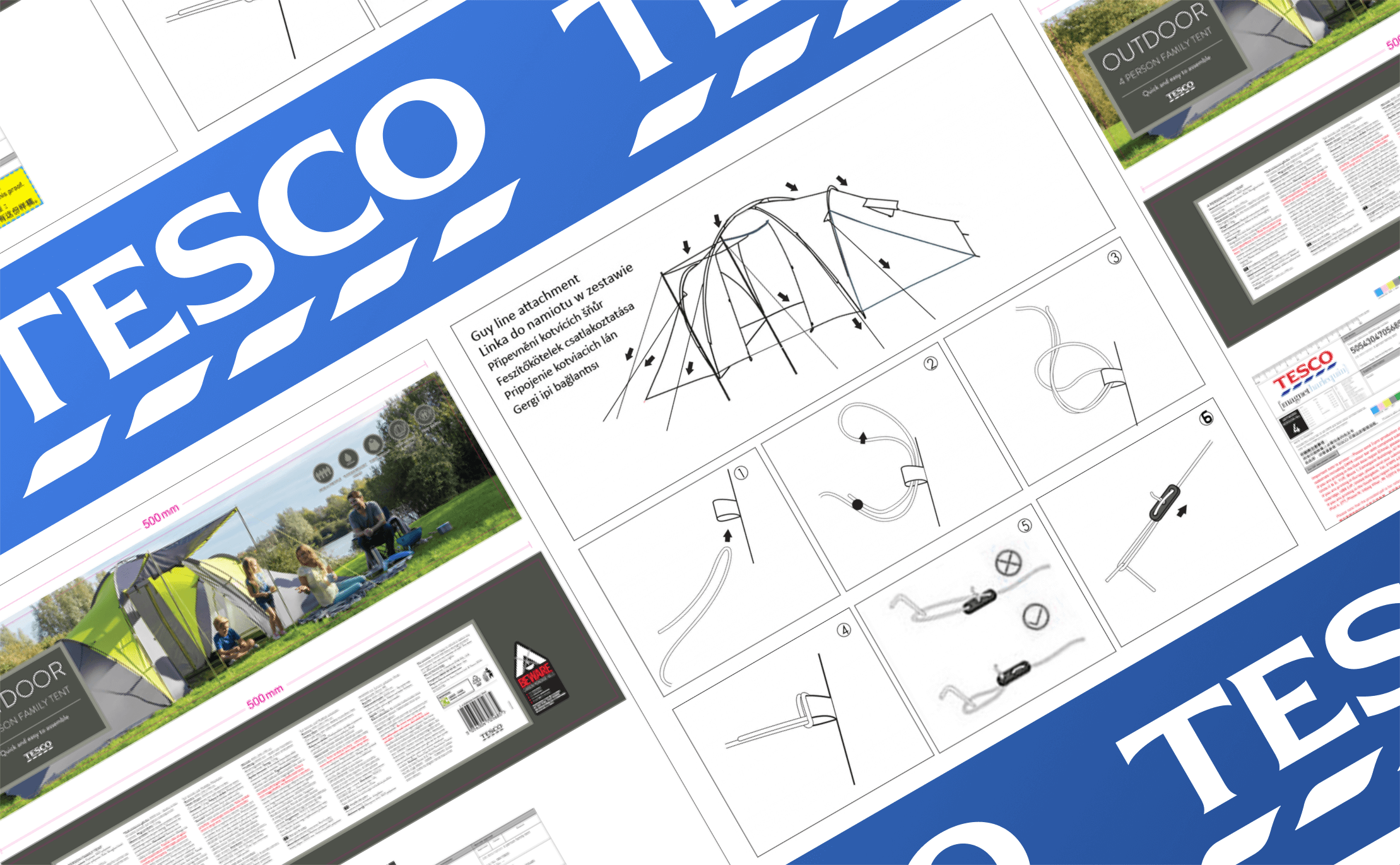
A physical product investigation that showed how unclear setup guidance, not faulty materials caused water-leak complaints, and how improved instructions reduced returns.
The problem: Customers reported tents leaking overnight, driving refund rates of around 7%.
My role: Investigated returned products, identified user setup errors, and redesigned instructions for novice campers.
The result: Reduced returns by improving customer understanding of correct setup and condensation.
Skills used: Data analysis | Customer feedback | Product design | Supplier relationships | Graphic design
Overview
While working on the camping range at TESCO, we saw repeated complaints about tents leaking overnight.
However, when returned tents were tested outdoors over several days, none showed material or waterproofing faults.
The key insight came from a returned tent that revealed incorrect guy-line knotting, causing poor tension, sagging fabric, and internal condensation, which customers interpreted as leaks.
The real issue
The core customer group was new or inexperienced campers
Instruction manuals assumed prior camping knowledge
Critical setup and ventilation guidance was missing
Users blamed the product rather than the setup
This reflected a familiar UX pattern: when feedback and guidance are unclear, users assume failure.
Solution & outcome
Instruction manuals were updated with clearer diagrams and explicit guidance on tensioning, knots, and condensation.
This simple change reduced returns and improved customer confidence — reinforcing the importance of designing for the actual user, not the assumed one.